

E. Grikšas: weak demographics are holding back the economy – solution lies in the regions and investment
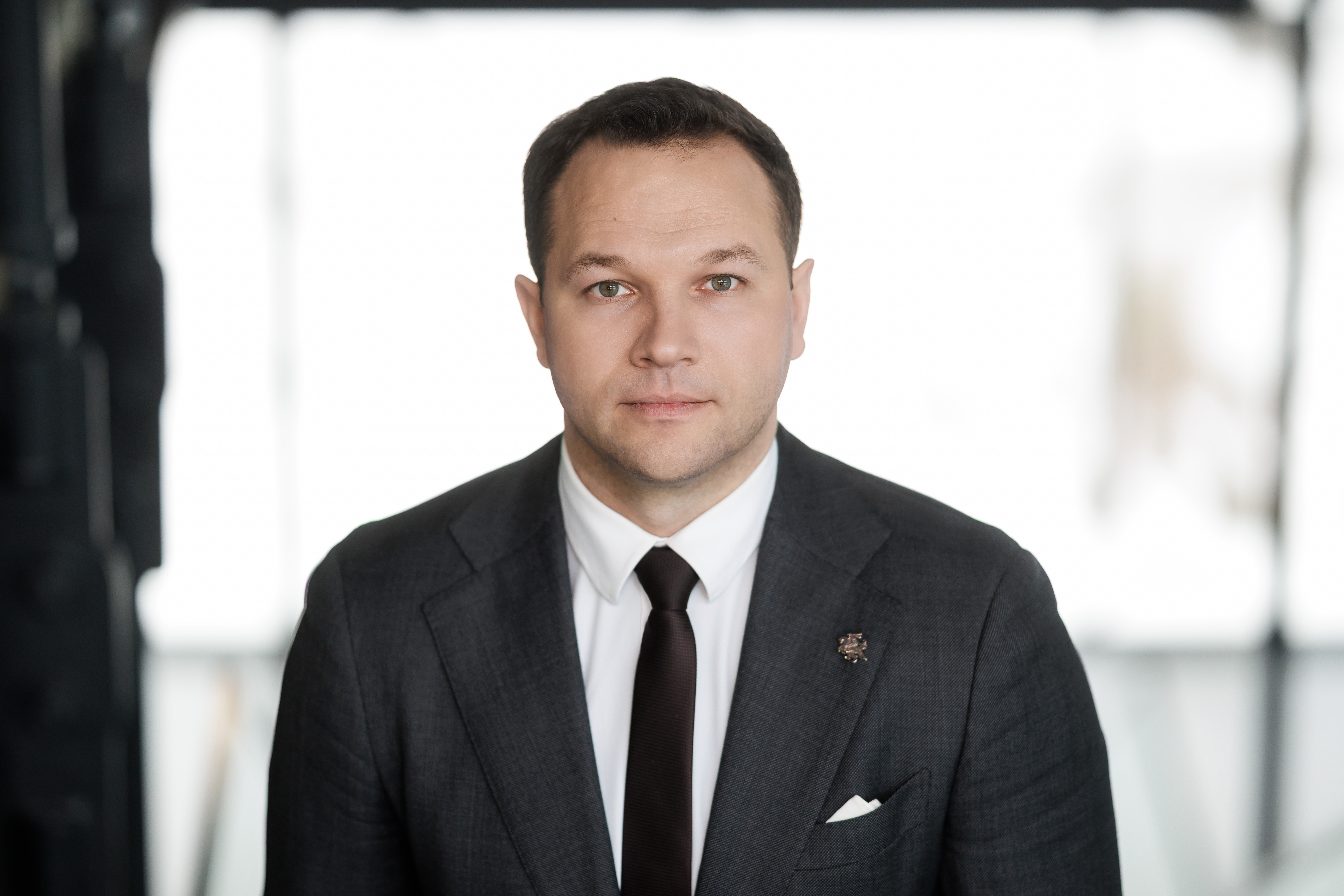
Calculations by the Ministry of Economy and Innovation (EIMIN) show that due to negative demographic factors alone, Lithuania’s economy is likely to be up to 7.2 per cent weaker over the next 20 years than it would be under stable demographic conditions.
The ageing of population and a decline in the working-age population numbers will inevitably slow down the economic growth.
According to Minister Edvinas Grikšas, this does not imply an absolute economic contraction, as technological progress and productivity will continue to drive growth, but it does highlight the significant impact of demographic factors on the economy.
“If there are more well-paid jobs across the country, people will be less tempted to leave, and convenient infrastructure and investment in the regions encourage people to settle in smaller towns. Therefore, our key priority is to strengthen the regions by attracting investors who will create high value-added jobs,” says the minister.
E. Grikšas emphasises that efforts are being made to ensure that Lithuania has a predictable and investment-friendly environment: a package of legislative amendments is currently being finalised, which will further enhance Lithuania’s appeal to investors.
“We are reducing excessive bureaucracy, improving the tax environment and preparing measures to encourage investment. This will enable us to create new, well-paid jobs quicker and provide better conditions for people across the country to live, work and create families,” says Minister of Economy and Innovation E. Grikšas.
The Ministry of Economy and Innovation emphasises that demographic challenges are directly linked to the country’s economic potential; therefore, solutions should be geared towards the growth of productivity, encouragement of investment and strengthening of labour supply.
As practice shows, where strong businesses operate, investment is attracted and an innovative economy is developed, positive demographic changes are also evident – higher employment, better quality of life and growing regional attractiveness.
The challenges facing the Lithuanian labour market today are structural and long-term – shrinking labour supply, skills mismatches and growing demand for high value-added sectors. In response to these challenges, the Ministry of Economy and Innovation is implementing comprehensive measures focused on promoting investment, fostering innovation and developing talent.
Significant attention is being paid to attracting investment and strengthening the regions. In 2025, four large investment agreements were signed, bringing their total number to 22. Significant projects include the Pentasweet investment in Vilnius, the Allive Europe project in Kaunas district, the development of a modern packaging plant in Jonava, and the establishment of a military equipment factory in Kaunas FEZ.
In order to improve the investment climate, regulatory procedures have been streamlined – Lithuania is becoming one of the fastest countries in the region when it comes to implementing investment projects. The administrative burden on business is also continuing to reduce – by 2025, it will have been reduced by more than EUR 21 million.
Efforts to attract and develop talent are being further strengthened, with support for initiatives to attract highly qualified professionals, STEM scholarships for higher education students in the regions, financial incentives for high value-added professionals coming to Lithuania and the companies that attract them, internships for young people from the diaspora in Lithuanian companies and public authorities, and other measures to increase the supply of a skilled workforce.
The Ministry is also actively strengthening the innovation ecosystem. The artificial intelligence centre ‘LitAI’ of EUR 130 million worth is being established, an AI regulatory ‘sandbox’ is being implemented, and EUR 25.6 million were allocated for the creation of digital resources in the Lithuanian language.
Defence innovation benefits from significant attention with the development of the Defence Investment Fund and a new venture capital instrument ‘MILInvest2’, as well as the creation of collaboration platform ‘Miltech Sandbox’.
Growth in high value-added sectors is also being encouraged – a call for tenders worth EUR 46.6 million has been announced for the development and production of STEP technologies.
Last updated: 22-04-2026
Related news:
€10 million investment for regional industrial enterprises to develop sustainable technologies
Lithuanian public procurement leaders honoured as the best companies and organisations are announced
“Spiečius” opens in Mažeikiai: a boost to regional business growth
U.S. defense technology company “Mach Industries” plans to expand in Lithuania