

Ministry Sees the Need to Extend VAT Relief for Businesses that Have Not Recovered from Pandemic
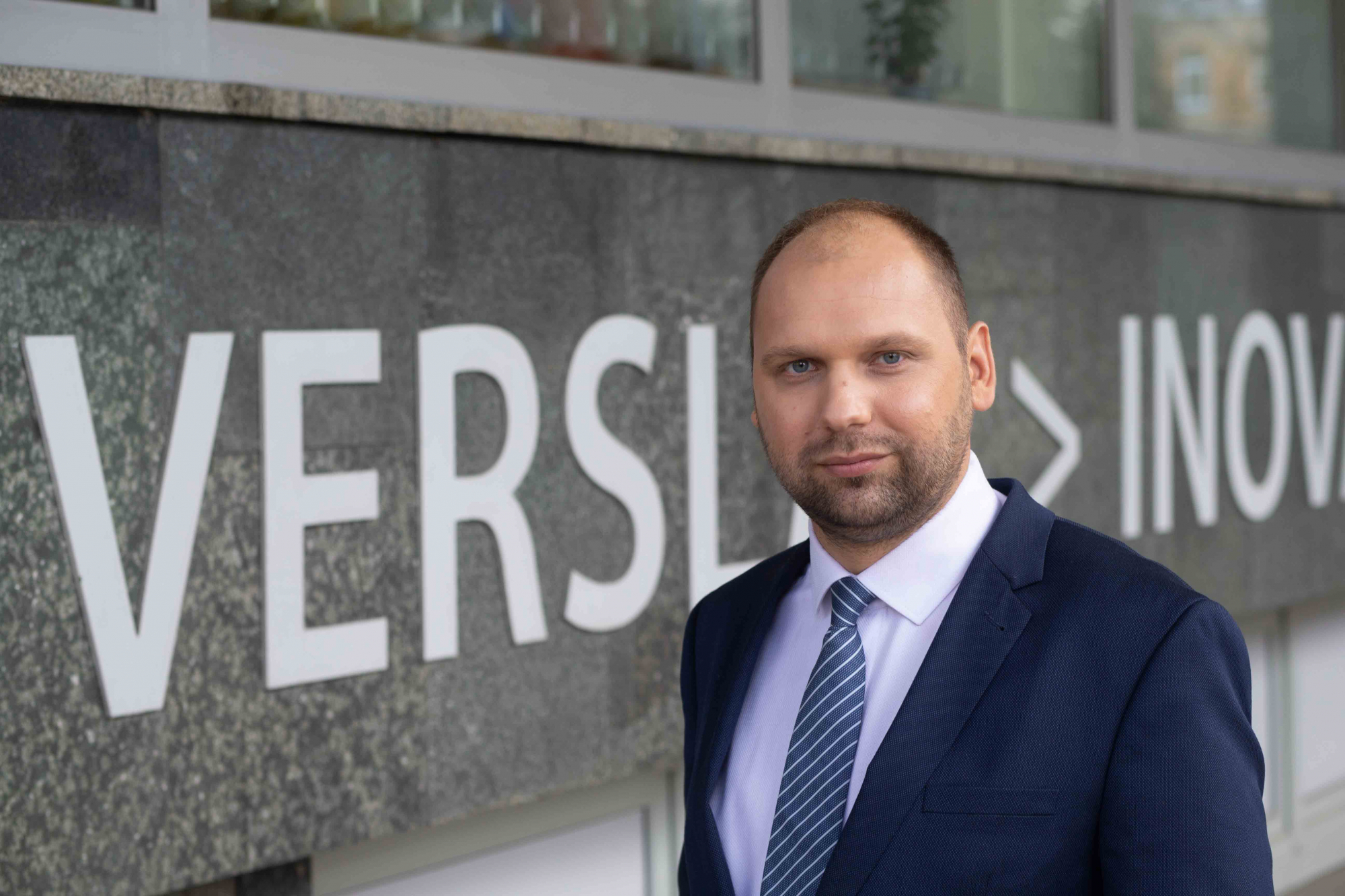
Ministry of the Economy and Innovation believes that it would be appropriate to extend the 9% VAT rate for catering establishments, sports clubs, cinemas and events for another year, as these businesses have not yet recovered from the negative effects of the coronavirus pandemic. The reduced rate for accommodation establishments should remain permanent, as it is linked to the export of accommodation services.
“Our analysis shows that the businesses most affected by the coronavirus are still facing many challenges and will need more time to recover. We believe that it would be appropriate to extend the exemption for one more year and to keep it permanently for accommodation establishments,” said Vincas Jurgutis, Deputy Minister of Economy and Innovation. On Friday, the Ministry’s leadership met with the associations of these businesses to discuss the current situation and the need for no tax increase next year.
The pandemic has led to a 22% drop in the turnover of catering establishments in Lithuania in 2020. In comparison, the average turnover of all businesses dropped by only 1%. The preferential VAT rate was introduced in the second half of 2021. Since the beginning of this period, the lighter restrictions have led to an increase in turnover in catering establishments, but the costs of food, beverages, renting premises, staff salaries, gas, electricity and heating have risen even more. The overall financial situation of businesses at the end of 2021 was worse than before the pandemic, as revenues had only just recovered but costs were 8.2% higher.
According to a survey conducted by the Lithuanian Department of Statistics, in April this year, only 14% of businesses predicted an increase in demand for the upcoming summer season. Most businesses were pessimistic. This could be influenced by the expected drop in the number of tourists, a change in consumer habits due to higher prices. The abolition of the tax credit next year would further increase the prices of services. 20 out of 27 EU countries apply a reduced VAT rate to catering services.
Lithuania has had a reduced VAT rate for accommodation services for seven years in a row. Analysis shows that the value generated by these businesses and the number of businesses themselves have started to grow much faster than in other EU countries since the introduction of the tax credit. The number of tourists has doubled, but given size of its population, Lithuania is still lagging behind many EU countries in terms of the latter index.
With the easing of the pandemic restrictions, the turnover of accommodation establishments grew by 14% in 2021, but only reached 63% of the 2019 level.
“The VAT relief for hotels is designed to encourage the export of accommodation services. It is used by almost all EU countries. We believe that it would not be appropriate to discontinue the exemption, as this would worsen Lithuania’s competitive position vis-à-vis other countries,” said Vice-Minister for the Economy and Innovation Ieva Valeškaitė.
The tourism sector is a fairly important part of the Lithuanian economy, contributing 6% of Lithuania’s GDP. The hotel tax relief results in an annual loss of around €15 million to the state budget, but foreign tourists visiting Lithuania generously compensate for this loss.
According to the data of the Lithuanian Statistics Department, revenues from artistic, entertainment and recreational activities fell by 36% in 2020 and grew by 8% in 2021, but only reached 70% of the pre-pandemic level.
Last updated: 14-06-2022
Related news:
€10 million investment for regional industrial enterprises to develop sustainable technologies
Lithuanian public procurement leaders honoured as the best companies and organisations are announced
“Spiečius” opens in Mažeikiai: a boost to regional business growth
U.S. defense technology company “Mach Industries” plans to expand in Lithuania