

Public procurement reform to be undertaken during Lithuania’s Presidency of the Council of the EU
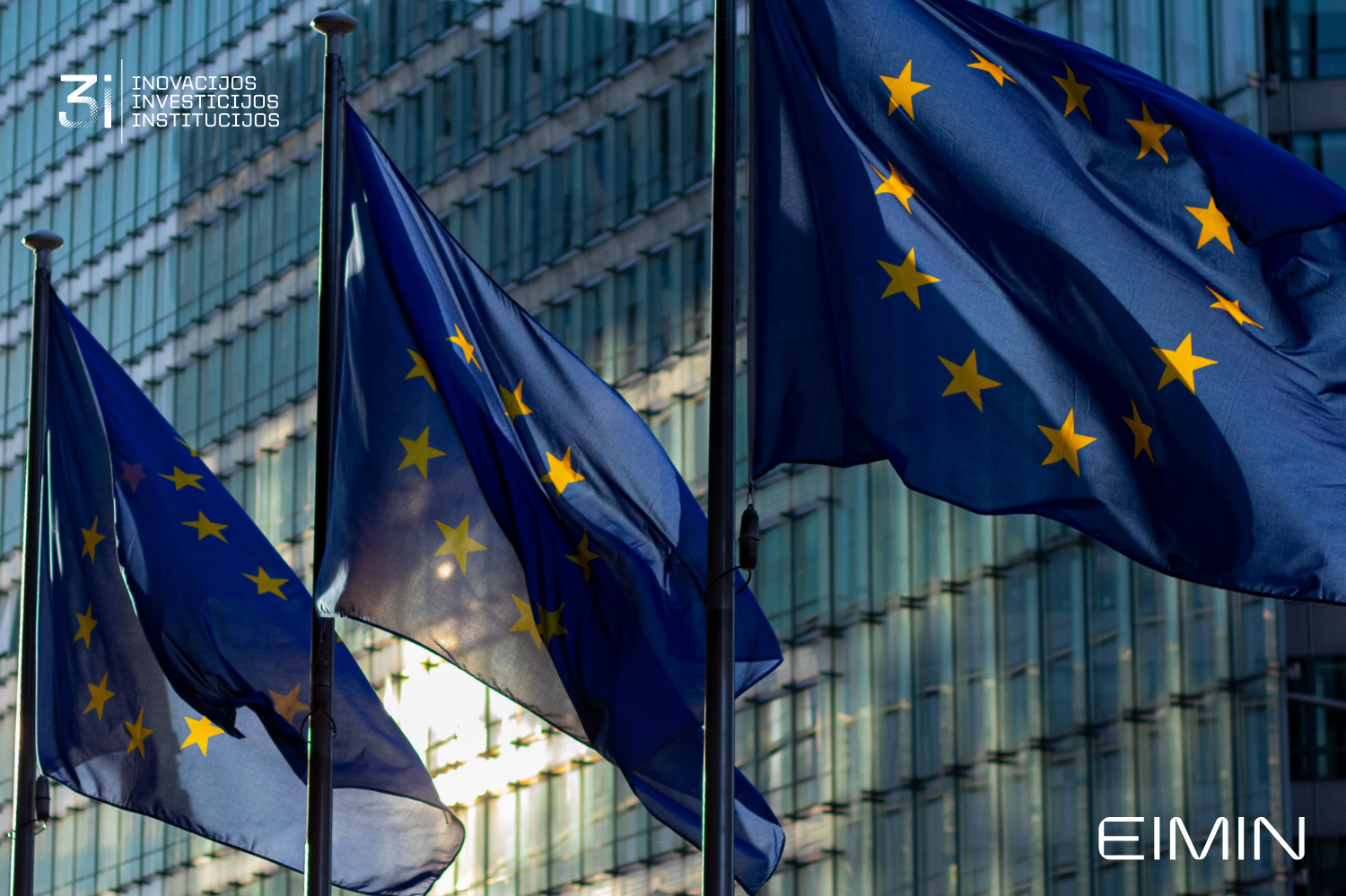
During its Presidency of the Council of the EU in 2027, Lithuania will play a key role in changing the way public procurement is carried out in the European Union (EU). It will seek to drive forward the public procurement reform initiated by the European Commission. The aim is to reduce bureaucracy and complex rules, increase the use of digital solutions and create more opportunities for small and medium-sized enterprises to compete for public contracts. The reform will also make more effective use of public procurement to achieve strategic policy objectives.
'Public procurement accounts for around 15 per cent of the EU’s gross domestic product and is one of the areas where the bureaucratic burden on businesses and institutions can be significantly reduced.' It is estimated that simplified public procurement regulations alone could save businesses across the EU around €570 million annually, while public procurement authorities could save a further €80 million. This would, of course, also contribute to the objective of Lithuania’s ‘3i’ economic transformation plan to reduce the administrative burden by 35 per cent,' says Edvinas Grikšas, Minister of the Economy and Innovation.
A user-friendly EU digital ecosystem for public procurement would significantly reduce the administrative burden in this area. It would link national public procurement platforms and enable the automated verification of suppliers’ eligibility using data from national and EU registers. It would also facilitate the participation of small and medium-sized enterprises in public procurement by reducing unjustified barriers for groups of suppliers, encouraging the splitting of contracts into lots and enabling faster payment for completed contracts. The EU proposes reducing the number of public procurement procedures from five to three and placing greater emphasis on preliminary market consultations.
According to the European Commission, public procurement is an important economic policy tool aimed at strengthening the EU’s competitiveness, economic security, and supply chain resilience, as well as being an administrative procedure.
The reform provides measures to mitigate risks to economic security and supply reliability. The principle of 'European preference' is enshrined in law, establishing clearer rules on the participation of third-country suppliers in EU public procurement and the origin of products. Other strategic procurements will also be given greater emphasis by applying environmental, social and innovation criteria. Value for money will become the key evaluation principle, while minimum quality criteria thresholds will be set in most cases.
Under the European Commission’s proposal, the current public procurement rules would be consolidated into a single, directly applicable legal act: a regulation. Consequently, instead of three separate directives, a single comprehensive legal act would apply, reducing the volume of rules and minimising differences in their interpretation across Member States.
The new regulation will enter into force two years after its adoption. This transition period is intended to allow EU Member States, contracting authorities, and businesses to prepare for the new rules and implement digital systems smoothly.
The draft regulation will be debated in the European Parliament and the Council of the EU.
Last updated: 14-09-2026
Related news:
€10 million investment for regional industrial enterprises to develop sustainable technologies
Lithuanian public procurement leaders honoured as the best companies and organisations are announced
“Spiečius” opens in Mažeikiai: a boost to regional business growth
U.S. defense technology company “Mach Industries” plans to expand in Lithuania